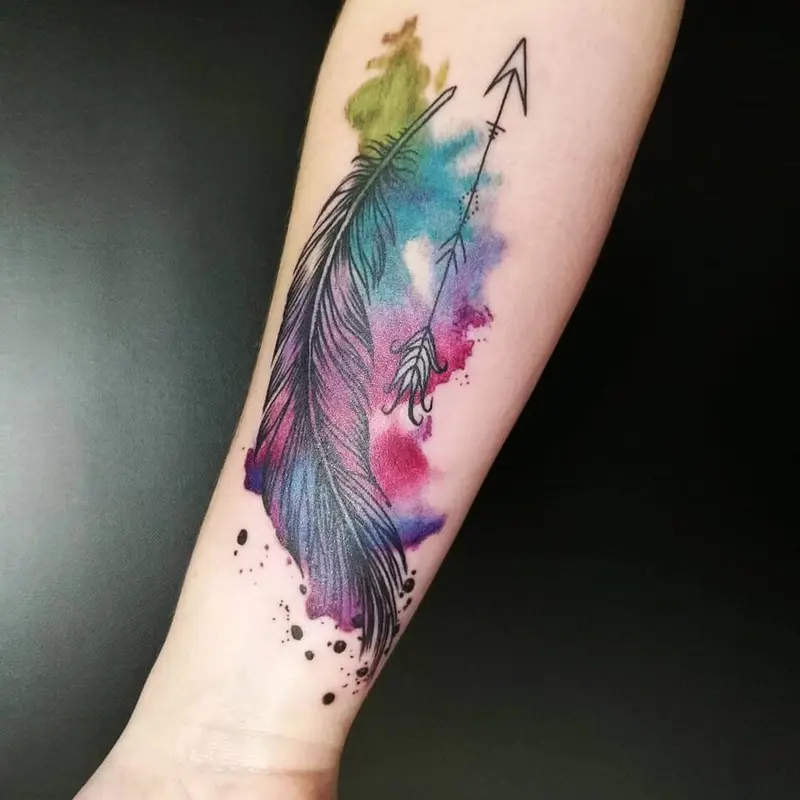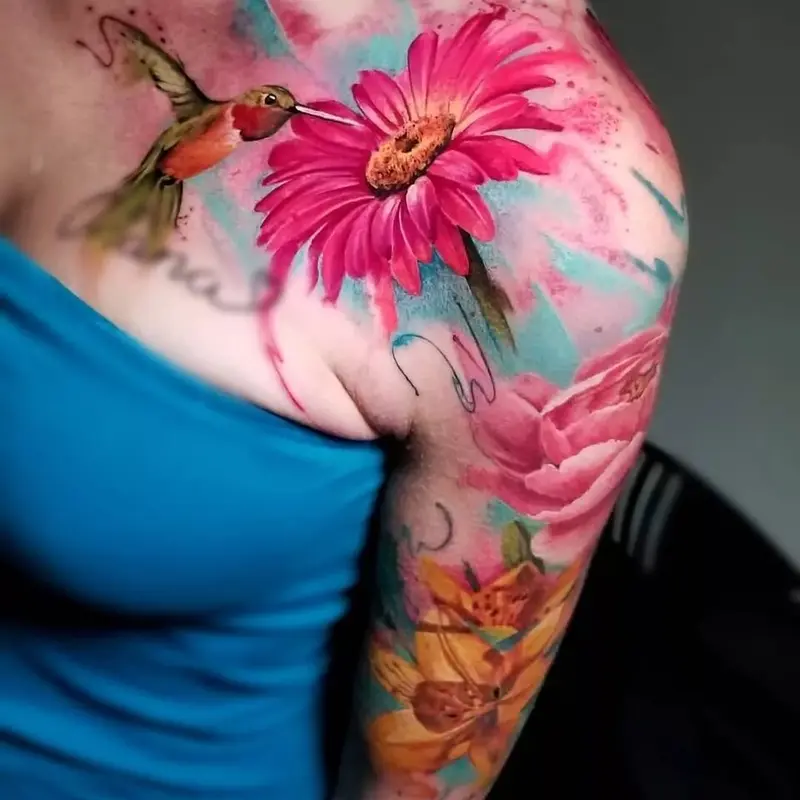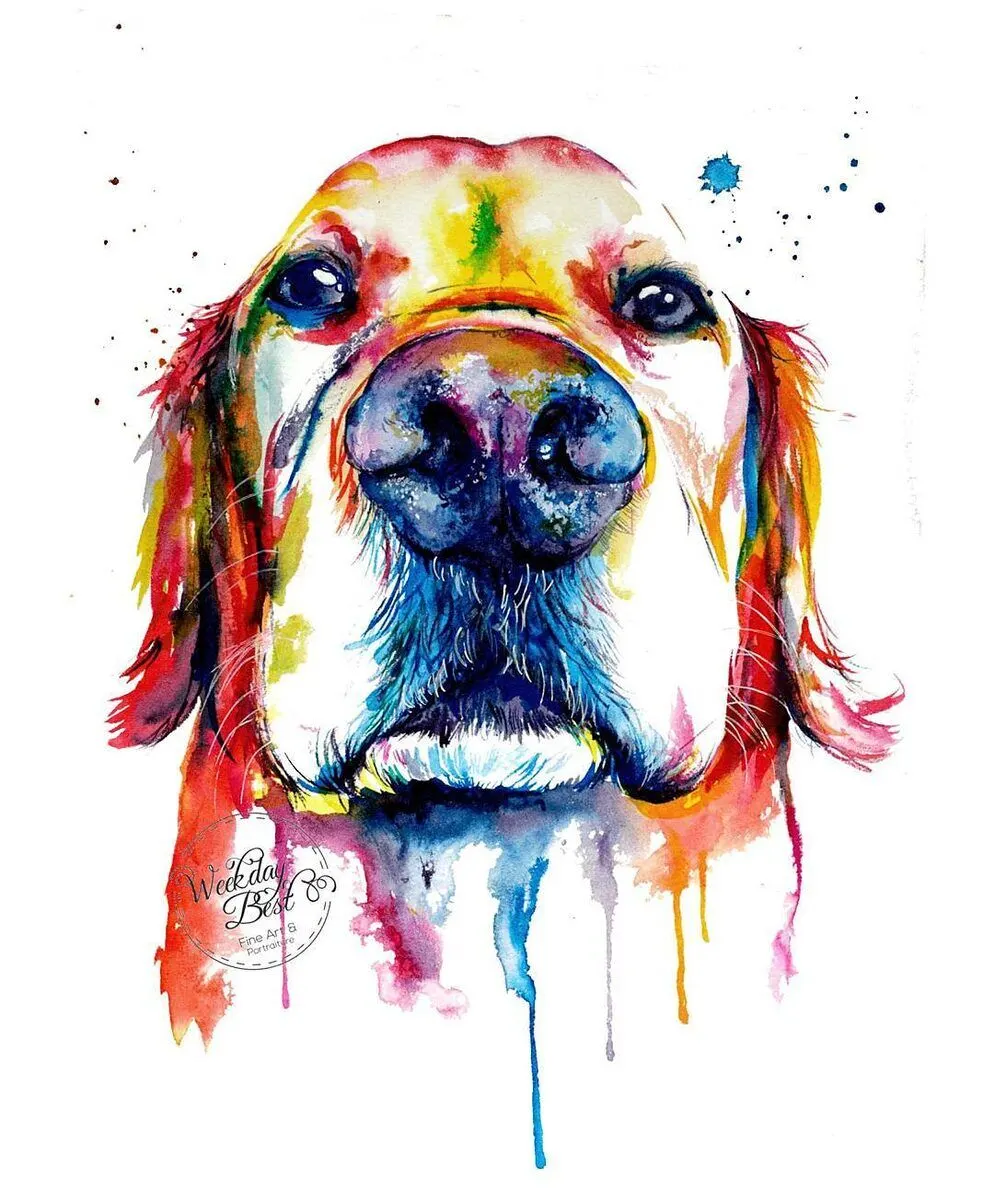
Watercolor tattoos are one of the most vibrant and artistic tattoo styles, known for their fluid, painterly aesthetic. Inspired by watercolor painting techniques, these tattoos utilize soft, flowing colors, bold splashes, and gradient transitions to create designs that appear almost like a living piece of art. Whether you’re an artist looking to master the style or a client seeking a unique, colorful design, understanding the nuances of watercolor tattoos is key to creating a breathtaking tattoo that stands out.
In this blog, we’ll dive into the essence of watercolor tattoos, explore the techniques that make them unique, and guide you on how to create stunning, fluid tattoos that capture the beauty of watercolor art. Plus, we’ll show you how Inky’s tools can help streamline your design process, enhance client communication, and improve your tattoo workflow for watercolor tattoos.
What Are Watercolor Tattoos?
Watercolor tattoos are a modern tattoo style that uses vibrant colors, smooth gradients, and fluid shapes to mimic the appearance of watercolor paintings. Unlike traditional tattoos, which focus on bold outlines and solid colors, watercolor tattoos embrace a more abstract, artistic approach. These tattoos often lack hard lines and instead rely on color bleeding, soft gradients, and splashes of pigment to create a fluid, organic design.
Watercolor tattoos are known for their ethereal, dream-like qualities. They often feature elements such as flowers, animals, landscapes, and abstract art, with the colors blending and flowing into each other like brushstrokes on canvas. While the style offers great creative freedom, it requires exceptional skill to master the application of color, shading, and texture.
The Origins of Watercolor Tattoos
The watercolor tattoo style emerged in the early 21st century as tattoo artists began experimenting with more fluid and artistic approaches to ink. Inspired by the techniques of traditional watercolor painting, these tattoos break from the traditional tattoo norms, embracing the artistic freedom of brushstroke-inspired color work.
While watercolor tattoos have gained significant popularity in the past decade, the style still remains relatively new in the tattoo world. The development of high-quality tattoo inks and advanced techniques has allowed artists to achieve the soft transitions and vibrant color combinations that make watercolor tattoos stand out.
The watercolor tattoo style is often used by artists who specialize in creating artistic and abstract designs, and it has become a popular choice for clients looking for tattoos that are as much about artistic expression as they are about personal meaning.
Key Features of Watercolor Tattoos
Watercolor tattoos are characterized by their vibrant colors, fluid transitions, and abstract, painterly quality. Here are the key features that define watercolor tattoos:
Soft, Fluid Color
One of the defining characteristics of watercolor tattoos is the use of soft, fluid color. Instead of solid blocks of color, watercolor tattoos feature color that bleeds and fades out, mimicking the look of watercolor paints. The ink transitions from one color to another seamlessly, creating a soft gradient effect.
No Strong Outlines
Unlike traditional tattoos that rely heavily on bold, black outlines to define the design, watercolor tattoos typically forgo harsh lines. This lack of solid borders allows the colors to flow freely and creates a more organic, freeform feel. Some designs may still include faint lines or outlines, but the focus remains on the interplay of colors rather than the structure.
Blended and Gradient Shading
The hallmark of watercolor tattoos is their use of gradient shading and blended color transitions. Artists use delicate shading techniques to achieve smooth gradients that transition seamlessly from one color to the next. This gives the design a more painterly appearance, with colors that appear to wash over the skin like a painting on canvas.
Abstract and Artistic Elements
Watercolor tattoos often feature abstract, artistic designs that can include elements like flowers, birds, animals, or surreal landscapes. These designs often incorporate splashes of color or unstructured shapes that blend into the background, giving the tattoo a sense of fluidity and movement.
Textural Effect
To mimic the texture of watercolor paintings, many artists use techniques that create a "splashing" effect with ink. These splashes and smears of color are reminiscent of brushstrokes on paper, adding a dynamic, expressive quality to the tattoo.
Techniques for Creating Watercolor Tattoos
Creating watercolor tattoos requires a different approach than traditional tattoo styles. Here are some key techniques involved in achieving the stunning effects characteristic of watercolor tattoos:
- Gradient Shading: Watercolor tattoos rely heavily on smooth gradient shading, where colors transition gradually from light to dark or from one hue to another. This requires the artist to blend the colors carefully to achieve a soft, fluid look.
- Color Bleeding: One of the key techniques in watercolor tattoos is color bleeding, where the ink spreads beyond the initial lines, mimicking the natural spread of watercolor paints on paper. This requires skillful control to avoid over-saturation and ensure the colors flow organically.
- No Solid Lines: In traditional tattoos, solid black lines are used to define the design. In watercolor tattoos, these lines are often minimized or avoided entirely. The focus is instead on the colors, and the use of negative space helps define the tattoo's shape and form.
- Ink Splashes and Smears: To achieve the look of brushstrokes, artists often use ink splashes, smears, or scattered dots to add texture and fluidity to the design. This gives the tattoo a more abstract, artistic feel and enhances the overall movement of the piece.
Inky Tip: Encourage clients interested in watercolor tattoos to explore your portfolio using Inky’s Portfolio Builder. This allows them to see your previous watercolor designs, ensuring they are aligned with your artistic approach and expectations.
Popular Designs for Watercolor Tattoos
Watercolor tattoos are highly customizable and can be used to express a variety of themes, emotions, and ideas. Some of the most popular designs for watercolor tattoos include:
- Flowers and Nature: Watercolor tattoos are ideal for floral designs, as the fluidity of the color mimics the delicate and flowing nature of petals and leaves. Roses, peonies, lotus flowers, and cherry blossoms are commonly chosen for watercolor tattoos.
- Animal and Bird Tattoos: Many watercolor tattoos feature animals or birds, often in a loose, abstract style. Birds in flight, wolves, and foxes can be brought to life with vivid color splashes and fluid design elements.
- Abstract and Surreal Designs: Watercolor tattoos allow for high creative freedom, with many clients opting for abstract or surreal designs that blend color in dynamic and unexpected ways. These designs often use geometric shapes, splashes of color, and textural effects to create a unique, one-of-a-kind tattoo.
- Portraits and Faces: Watercolor tattoos can also be used for portraits and faces, where the artist uses blending techniques to create soft, ethereal images. These tattoos often have a dreamlike quality, with the color bleeding out to create a blurred, artistic effect.
- Symbolic Tattoos: Many clients choose watercolor tattoos for meaningful symbols, like hearts, birds, or quotes, to convey a personal message. The addition of watercolor makes these tattoos even more visually striking and unique.
How Inky Can Help with Watercolor Tattoo Designs
Watercolor tattoos require a blend of creativity, skill, and client communication. Here’s how Inky’s tools can help streamline your process and enhance the experience for both you and your clients:
- Client Profiles: Use Inky’s Client Profiles to track design preferences, reference images, and specific instructions for each watercolor tattoo. This helps ensure that each tattoo is personalized to the client’s vision and style.
- Portfolio Builder: Showcase your best watercolor tattoos with Inky’s Portfolio Builder. This allows clients to browse your previous work and understand your expertise in creating vibrant, fluid tattoos.
- Session Tracking: Watercolor tattoos often require multiple sessions due to their complexity. Use Inky’s Session Tracking to keep clients informed about the progress of their tattoo, ensuring clear communication about timelines and pricing.
Why Choose Watercolor Tattoos?
Watercolor tattoos are perfect for clients who want a tattoo that is vibrant, artistic, and expressive. Here’s why watercolor tattoos remain so popular:
- Creative Expression: Watercolor tattoos offer endless possibilities for creative expression. The fluidity and blend of colors allow for highly unique, personalized designs that are as much about art as they are about personal meaning.
- Vibrant and Eye-Catching: The use of bright, vivid colors makes watercolor tattoos stand out in a way that traditional tattoos can’t match. These tattoos capture attention and often evoke a sense of movement and energy.
- Artistic and Unique: Watercolor tattoos are one of the most artistic styles in tattooing, allowing for a blend of realism and abstraction. This makes them ideal for clients who want a tattoo that looks like a work of art.
How Inky Can Enhance Your Watercolor Tattoo Process
As a tattoo artist, managing watercolor tattoos requires creativity, precision, and effective client communication. With Inky’s tools, you can streamline your workflow, track client preferences, and ensure that each watercolor tattoo is executed with exceptional artistry.
Conclusion: The Fluid Art of Watercolor Tattoos
Watercolor tattoos are one of the most dynamic and expressive tattoo styles. With their vibrant colors, fluid design, and artistic flair, watercolor tattoos offer clients a unique and eye-catching way to express themselves. Whether you’re an artist looking to master watercolor tattoos or a client seeking an artistic design, understanding the techniques and elements of this style is essential for creating a tattoo that’s as beautiful as it is meaningful.
With Inky’s features, you can manage your watercolor tattoo process more efficiently, enhance your client communication, and continue creating incredible designs that leave a lasting impact