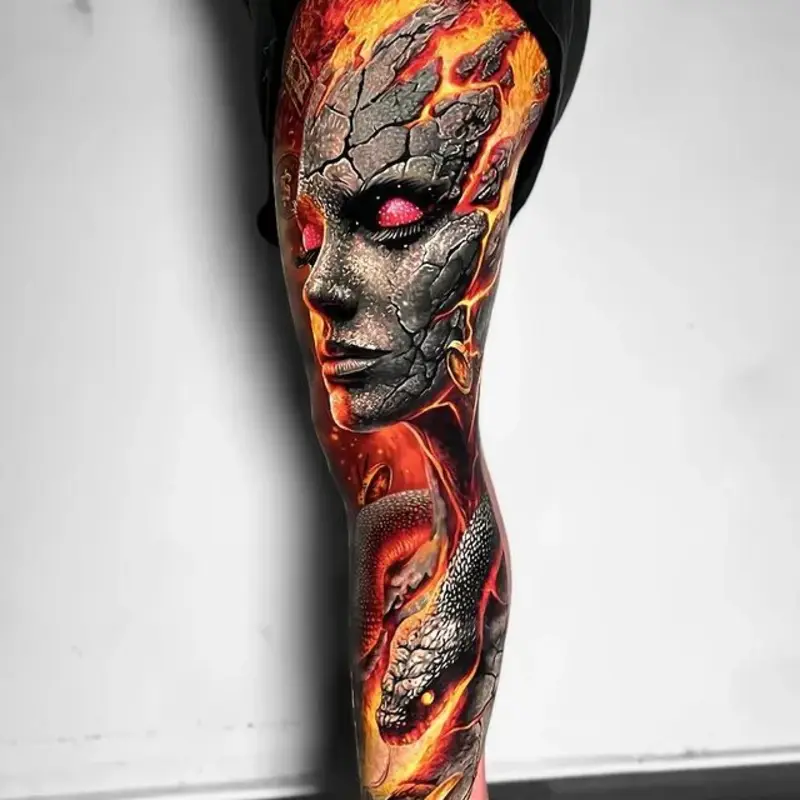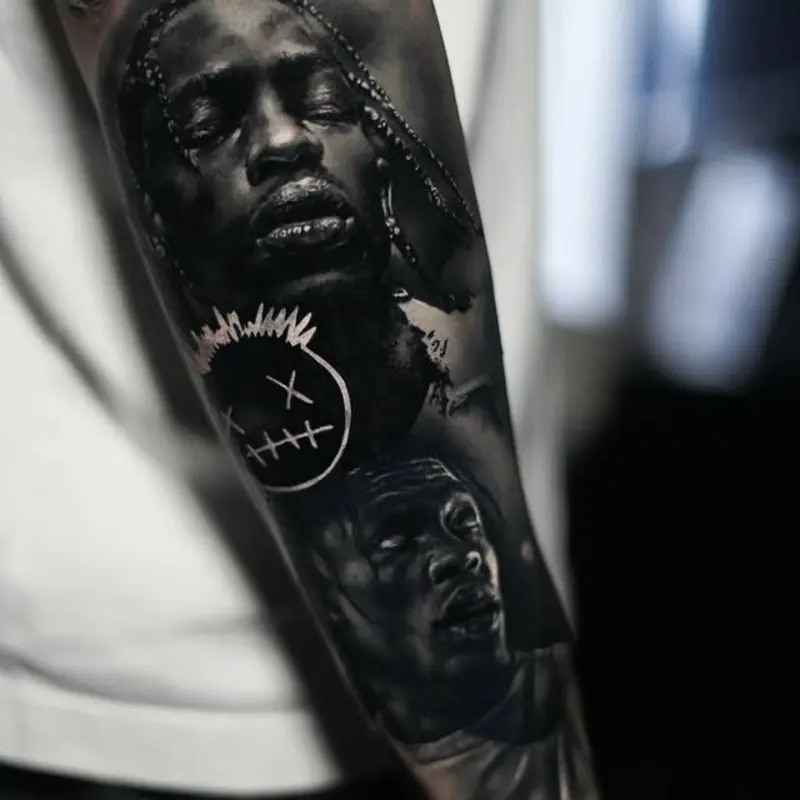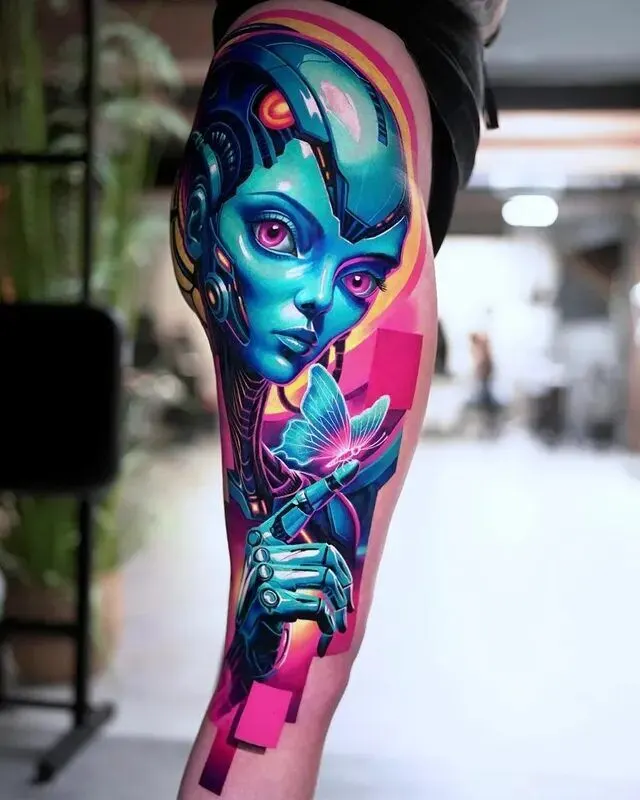
Realism tattoos are one of the most impressive and challenging styles in the tattoo world. These tattoos strive to capture images with as much detail and accuracy as possible, making them appear as lifelike as photographs. Realism tattoos are not just art. They’re a testament to the skill and technique of the tattoo artist. Whether you’re an artist looking to master this style or a client considering a realistic design, understanding the nuances of realism tattoos is essential for creating an awe-inspiring piece.
In this blog, we’ll explore the core elements of realism tattoos, the techniques that make them stand out, and how you can create stunning lifelike tattoos that leave a lasting impression. Plus, we’ll show you how Inky’s tools can help streamline the design process, client communication, and tattoo management for realistic tattoos.
What Are Realism Tattoos?
Realism tattoos are a style that focuses on replicating a subject as closely as possible to its real-life appearance. Whether it’s a portrait, animal, landscape, or object, realism tattoos are designed to make the image appear three-dimensional and lifelike. Unlike traditional tattoos, which emphasize bold lines and simplified designs, realism tattoos require an advanced understanding of shading, light, and perspective.
This style often uses fine lines and detailed shading to mimic the textures and depth of the subject. The goal is to create a tattoo that looks as close to a photograph or painting as possible, with incredible attention to detail in areas like facial features, skin texture, fur, and lighting.
The Origins of Realism Tattoos
Realism in tattoo art has its roots in traditional portraiture and classical painting. While tattoo artists were always skilled in creating detailed designs, it wasn’t until the late 20th century that realism began to emerge as a tattoo style in its own right. This shift was influenced by advancements in tattoo technology, improved ink quality, and a growing demand for more intricate and lifelike designs.
Artists like Norman “Sailor Jerry” Collins, Don Ed Hardy, and Mike DeVries helped push the boundaries of realism in tattoos, incorporating techniques such as shading and depth that were previously difficult to achieve in tattoo art. Today, realism tattoos are one of the most sought-after styles, with clients requesting everything from hyper-realistic portraits to photorealistic landscapes and wildlife tattoos.
Key Features of Realism Tattoos
Realism tattoos are known for their stunning attention to detail and lifelike appearance. Here are the key features that define realism tattoos:
Photorealism
Photorealism is at the heart of this tattoo style. The goal is to make the tattoo look as close to a photograph as possible. This means capturing the smallest details, from the texture of skin to the subtle variations in light and shadow. These tattoos can be incredibly intricate, often requiring hours of work to achieve the desired level of realism.
Shading and Depth
Shading is essential in realism tattoos to create depth and dimension. Artists use various shading techniques, like smooth gradients, soft blending, and stippling, to mimic how light falls on a surface. This adds a three-dimensional quality to the design and ensures it doesn’t look flat on the skin.
Fine Detail
Realism tattoos are known for their fine, precise details. Every element of the tattoo, whether it’s a person’s eyes, a flower’s petals, or a wolf’s fur, is meticulously crafted to replicate the texture and form of the real thing. This requires a steady hand and exceptional precision.
Texture and Contrast
Realism tattoos often feature stark contrasts between light and dark areas, which helps define the subject and make it stand out. Texture is also a key component, with artists using subtle shading to give the tattoo a lifelike feel. Whether it’s the smoothness of skin or the rough texture of an animal’s coat, the texture is carefully recreated to add realism to the tattoo.
Popular Designs for Realism Tattoos
Realism tattoos can cover a wide range of designs, but the most popular themes tend to be those that benefit from high levels of detail and depth. Here are some of the most common designs for realism tattoos:
- Portraits: Realistic portraits of loved ones, celebrities, or historical figures are some of the most sought-after realism tattoos. Capturing the likeness and expression of a person requires an incredible amount of skill, making portrait tattoos a true test of a tattoo artist’s abilities.
- Animals: Realistic animal tattoos, such as lions, wolves, or birds, are also popular in the realism style. These tattoos require a deep understanding of anatomy and the ability to recreate fur, feathers, and skin with great accuracy.
- Nature and Landscapes: Realistic nature tattoos, like forests, mountains, and oceans, are often requested by clients who want to immortalize their favorite places or experiences. These tattoos require careful shading and perspective to create depth and bring the landscape to life.
- Still Life and Objects: Realistic tattoos of objects, such as flowers, clocks, or instruments, focus on fine details and shading to create a lifelike image. These designs can evoke deep personal meaning or serve as visually stunning pieces of art.
Techniques Behind Realism Tattoos
Creating realism tattoos requires a high level of technical skill. Here are some of the key techniques used to achieve photorealistic tattoos:
- Layered Shading: Shading is done in layers to create depth and dimension. Tattoo artists use light and dark shades to replicate how light interacts with the subject, giving the tattoo a realistic, three-dimensional look.
- Fine Linework: Fine linework is used to capture the smallest details, such as wrinkles, hair, and textures. This requires exceptional precision, as any inconsistency in line thickness can affect the overall realism of the design.
- Color Blending: For color realism tattoos, blending colors seamlessly is crucial. The artist must carefully transition between shades to replicate the smooth gradation seen in real life, whether it’s in skin tones, animal fur, or background elements.
- Use of Reference Material: Realism tattoos are heavily dependent on high-quality reference material. Artists often work from photographs or reference images to ensure that every detail of the subject is accurately captured.
Inky Tip: Encourage clients interested in realism tattoos to explore your portfolio using Inky’s Portfolio Builder. This allows them to view your past work and helps set clear expectations about the level of detail and realism you can achieve.
Popular Placement Areas for Realism Tattoos
Realism tattoos often require large areas of the body to fully capture the intricacies and depth of the design. Here are some common placements for realism tattoos:
- Full Sleeves: Realism tattoos work beautifully on full sleeves, where they can wrap around the arm and incorporate various elements like portraits, animals, or landscapes.
- Back Pieces: The back provides a large canvas for detailed realism tattoos, such as full-body portraits or expansive nature scenes. These designs allow for greater detail and depth.
- Chest Pieces: Realism tattoos on the chest can cover a significant portion of the torso, allowing for large, detailed designs. Portraits and animals often make for stunning chest tattoos.
- Thighs and Legs: Legs provide a large area for detailed realism tattoos, especially for larger designs like animals, portraits, or landscapes.
- Hands and Neck: Smaller, more detailed realism tattoos are often placed on the hands or neck, where the artist can capture fine details in a more compact space.
How Inky Can Help with Realism Tattoos
As a tattoo artist, managing realism tattoos requires exceptional precision, effective client communication, and attention to detail. Here’s how Inky’s tools can help you streamline the process and create stunning realism tattoos:
- Client Profiles: Use Inky’s Client Profiles to track design preferences, reference images, and specific details for each realism tattoo. This ensures that you can deliver highly personalized and accurate designs every time.
- Portfolio Builder: Showcase your best realism tattoos with Inky´s Portfolio Builder. This allows clients to explore your past work and see the level of detail and skill you can bring to their own tattoos.
- Session Tracking: Realism tattoos often require multiple sessions. Use Inky’s Session Tracking to keep clients informed about session progress, timeline, and pricing, ensuring transparency and smooth communication.
Conclusion: Create Lifelike Art with Realism Tattoos
Realism tattoos are one of the most challenging and rewarding tattoo styles. They require a high level of technical skill, precision, and creativity to create lifelike images that capture the beauty and intricacy of the subject. Whether you’re an artist looking to master realism tattoos or a client seeking a detailed, lifelike design, understanding the techniques and elements of this style is crucial for achieving an exceptional result.
With Inky’s tools, you can streamline your tattoo design process, enhance client communication, and create stunning realism tattoos that leave a lasting impression. Ready to elevate your tattoo artistry? Start using Inky today and take your tattoo practice’s workflow to the next level.